You're watching...
Presidential Debates and Social Media
Details
-
Description
What influence do social networking platforms have on politics?
- Duration 3:36
- Date Oct 16, 2011
You're watching...
What influence do social networking platforms have on politics?
Also in this playlist...
Auto-advance: ON
Auto-advanceThis transcript is automatically generated
In 2008 social media was just be getting team have a presence in politics.
Campaign sent out text messages in the very first YouTube debate was held.
Announce -- 2012 race for the White House heats up social media's playing a crucial role in the way we get -- information about candidates.
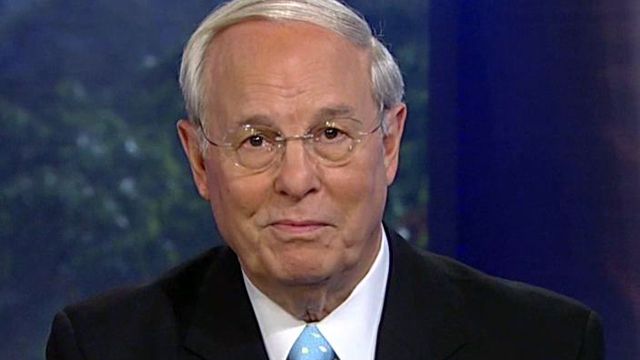
Joining us now to talk about the whole debate even and how it works Frank's right -- -- parent pop.
Co chairman of the condition of presidential debates thank you so much for -- -- -- with.
Okay your co chair of the commission that does the general election debates we still -- -- the nominee is going to be lease on the GOP side we know the democratic runner is set with president.
But your -- starts way before even the primaries -- We started actually formal.
Start was in January of this year when we set out to.
All the universities and colleges in the country because we like to do that in the general election debates on college campuses.
And it went out and we've we have the bids and our technical teams have gone out and examine the campuses.
Secret Service which is very involved goes out and examines campuses.
And we're probably within the next month and one out so where the debates are going to be in 2012.
The dates and the criteria for being included in the presidential -- -- and that criteria so important because in many elections you have a 33 party contender who actually get some traction wants a voice in the debates wants to be there.
What kind of criteria which is set.
-- the criteria it's been set now for a number of cycles.
Well first well you have to meet the constitutional requirements most people are really just have to -- 35 years of age -- native born born here in the united states of some you may remember some.
Some controversy whether or not when John McCain was born in the canal -- on the US -- down there.
Qualified but you -- so there's that.
Pretty clear and renunciation of what's in involved there you must be on enough state ballots that you can conceivably win 270 electoral votes.
And number three you must -- -- before each debate meet the criteria of being at an average of five national polls you 15%.
So that's the criteria to -- so we're going to be announcing that within the next month so everyone has a year's notice of what you're going to have to do to win in order to get into the general election debates.
Ari what it -- about the fact that crowds are getting a lot of the attention now to some of these primary debates is the crowds that have taken some of the criticism because of their reactions to different topics different.
Candidates on howdy do crowd control.
What we we've actually had problems when we started 1988 we've done.
Every debate since 1980 it's 22 presidential and vice presidential debates but over the last of two election cycles.
A we have gone out and it very clear of the audience they're not part of the program.
Our moderator is -- -- Blair's new book that just came out talking about what it's like in new engines on ten of them.
How He lectures the audience and and really what we're very very pleased with the audiences.
-- since 2000 have really.
In quiet and let the people at home decide -- what they're seeing and hearing on television without their interruptions.
And these are not an expensive at where does the funding come from -- put that together.
Would be the Commission on Presidential Debates is a private nonprofit we get no money from the federal government.
No money from the parties -- when He from the campaign we raise our own money and have -- -- as I said.
We four were formed an 87.
Other campuses where we go if it cost fundamentally between one point five and two million dollars.
To put on one of these debates most of the universities that host them have their alumni.
They're they're they're supporters foundations and so forth in the communities where there are and that's how the monies -- put these things are.
All right we look forward to the announcements always very exciting to find out when and where these are going to be held -- of a lot of hard work ahead.
So thanks for taking a break with us please.