You're watching...

'Invisible Wounds of War'

Details

  • Description

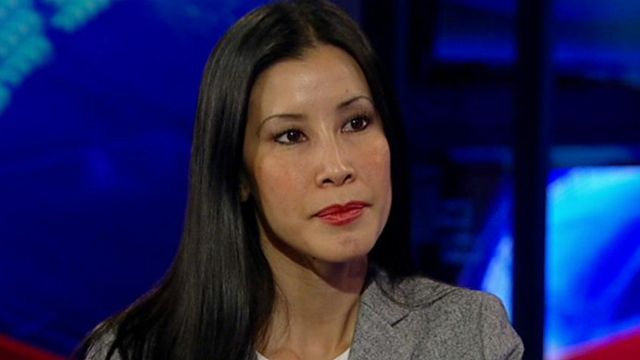
    TV host Lisa Ling on her new special on vets, their families and PTSD

  • Duration 4:52
  • Date

Clips

Also in this playlist...

Editor's Picks

Auto-advance: ON

Auto-advance

Transcript

This transcript is automatically generated

-- was a clip from our America with Lisa laying on the Oprah Winfrey network and in this Sunday's episode -- -- covers.

Which she calls the invisible wounds of war and joining me now to explain more about all -- -- -- -- to see you welcome back thanks for having appreciate you being here you know I know all about this that would talk about post traumatic stress that's kind.

It is many people are suffering correct.

It is this actually might be one of the most important things I've ever done because so many men and women have been deployed on multiple tours overseas in Iraq and Afghanistan.

And thousands and thousands of them are coming back with a devastating levels of posttraumatic stress disorder and I've heard so much about it I've read so many reports about it.

But -- never seen what it looks like manifested in veterans until this experience and a couple of soldiers.

Who'd recently returned from combat.

Open their -- -- -- in the most profound way and it was truly one of the most heartbreaking things I've ever seen.

But also the most moving because I attended this.

Wellness retreat with them and they did things like -- yoga and meditation and and one might think how could that possibly help.

But I actually saw these veterans call their spirits back and they gave me hope that this could be something meant more -- should look into.

You know it's funny because I or a friend of mine net put together a post traumatic stress disorder -- It's a stress Ryan leaf -- for these guys and it apparently -- great success.

And there is a kernel that supports it in mind -- donate a little money in trying to help them out and get it started.

It it these -- wounds of war and we don't look at it that way these guys come back.

And they are traumatized and -- wake up in the middle of the night near sweating and they they just didn't their crew in this sense.

Mentally.

They are as wounded as somebody that has been physically.

That's right hurting the -- and the collateral damage that the impact that it has on families.

Is also devastating on spouses and on children and to actually see what it looks like and what it feels like is it -- -- it truly truly was heartbreaking and and I hope that people will watch this so they can better understand what so many thousands of our young men and women are dealing with -- -- and consider even implementing these kinds of programs in their communities -- it's so so vital.

How widespread.

Did you find this is an ever I've watched it documentaries are very well done you that are terrific one on on drugs and heroin and and and that means a lot to me Sean I don't know what they really do well documented he spent a lot of time.

You followed people over the years -- that document and he's really well chronicled.

So you spent a lot of time on on -- these these documentaries are you doing.

What how widespread how.

How much how many people what percentage of people be an impact when they get back.

While possibly hundreds of thousands of of of soldiers and that's the thing I mean right now.

But in these veterans are so heavily medicated so everybody searching for.

What to do next and and I hope the people just look at this option.

-- on average of eighteen veterans will commit suicide a day in this country.

More veterans have committed suicide once he returned home in the United States -- have been killed.

In Iraq and Afghanistan and as veterans and and and active duty military continue to come home.

We're talking about a crisis of epic proportion look at this as I was all of us what -- all different kinds anti lessons.

Yeah I I recently heard about a soldier who was on forty who's taking 47 pills.

And day.

Crazy.

You talk about the -- so what you know what's interesting because I know you work with -- you -- -- -- -- and you don't even though we disagree on politics and I know she supported Barack and I and I obviously didn't I'm not a big fan of them.

But I've watched her over the years and and somebody's actually doing a book on the religion of -- for go to sack and a -- and it's interesting to make is I've read the road less traveled she recommended that years ago I've read the power of now and then the new worth by -- -- toll -- -- -- series -- -- -- I enter an email to tell and -- that you like -- the -- yeah it's -- I think it's fantastic I'm glad you're talking about it because this is something everybody deals with stress.

But soldiers -- work in 1820 hours a day.

Bombs you know blown up friends and you're dealing with wounded and people and hidden bonus and that.

And then they're expected to maintain normal lives once they get hoping -- won't analyst Leo yet just hyper vigilance and paranoia when you're constantly.

-- preparing for something to happen in -- in that that that state.

It's it's impossible to deal and that's why so many veterans are suffering and this is an entire generation we're talking about and and we we owe it to them -- to pay attention and recognize what they're going through and try and help them.

There we don't do enough for the military -- a lot of different ways of their families and I'm glad you did this really good really good to see it's on Sunday night what -- -- -- at 10 o'clock on -- -- are -- seriously so thank you so much and being with us and.