You're watching...

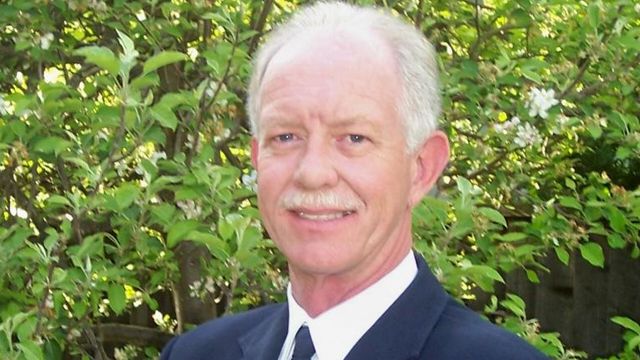
Captain 'Sully' Sullenberger on Leadership & Courage

Details

  • Description

    Alan speaks with the pilot of the 'Miracle on the Hudson,' Capt. Chesley 'Sully' Sullenberger about the nature of leadership.

  • Duration 17:46
  • Date

Clips

Also in this playlist...

Editor's Picks

Auto-advance: ON

Auto-advance

Transcript

This transcript is automatically generated

-- welcome the captain Chesley Sully Sullenberger.

Now famous just like that and -- when I became famous.

We -- argument that new -- making a difference stories of vision and courage of America's leaders before talk about that that we -- the united sending it -- interesting talk about the notion that.

There are people like yourself never did public speaking never appeared on the media.

Something happens in the flash of -- a moment.

And the next thing you know your world famous you're on every television show you a little radio shows like this you got two books out now and -- have and could never have planned for that.

Now I mean never know hundred normal lifetimes we've when -- these things happened but something about the way that I had live my life.

Was able to be prepared for that event that day and for all this in the aftermath.

And your hero listened to people.

You know they had to be aware that -- like that word is -- of -- you know I I certainly I had to make an intellectual compromised very early on clearly understood people's need to fuel that way and how this event and -- them and given them hope when they needed it but I also couldn't will be taken on as my own.

And so I didn't want to deny them the ability to give thanks for this event that -- he wasn't pretty mind it was partly about what happened.

-- the -- symbol for that I nothing -- I absolutely have become and I'm happy to be I'm honored to be the public face of this remarkable that you rethink why you.

I know why.

Okay why because two months before when I was picking my schedule for that month I chose the month applying that included -- But I mean -- you don't object that's exactly and let it out and a larger sense that it that is the answer for them.

Why I was prepared you are those are other choices I've made it.

And the way -- -- my life and and and a way of the continuous improvement and real dedication to my profession and and the satisfaction I got from.

Being good at something it was difficult to -- and anyway the confluence of events that you happen to choose that flight.

And the birds happen to be at a certain pattern and the weather was a certain way that they -- with a pilot and -- and his particular people -- on the plane at a certain.

92 in command on the plane had -- all be working together.

Yes so much for that so much so much went right and and does -- -- marvel -- how that.

Could have been oh absolutely I mean I don't obsess over but -- -- I do.

I think one of the things I short changed my profession and perhaps myself on early on was when I said that we were just doing our jobs we work.

But we did our jobs exceptionally extraordinarily well.

But your jobs are just for the moments when things go well.

No because you know you prepare for that moment.

-- -- -- -- -- -- -- -- -- -- -- -- -- -- -- -- -- -- -- -- -- -- -- -- -- -- -- -- -- -- -- -- -- -- -- -- -- -- -- -- -- -- -- -- -- -- -- -- -- -- -- -- -- -- -- -- -- -- -- -- -- -- -- -- -- -- -- -- -- -- -- -- -- -- -- -- -- May not have been able to.

Navigate themselves as the way they needed to in that moment.

Could anybody inevitably.

I think I have a lot of college students -- a similar but there's no way you know.

I don't what brought you to write this book making -- -- you -- your first book told your story -- -- -- -- but -- you decided to write this.

Book about people who make a difference what led to that concept and then the ability -- -- with the people will talk about the moment as well.

Well these are important things that were that I thought about and worked on my entire life you know the concepts of leadership things I'd seen done well -- not well some things I tried to do myself.

But the cause of the amazing mind bending three years I've had.

The ability to spend time with people who have really made a difference in touch people's lives.

It.

It gave me the chance to have in depth conversations about these important concepts.

And when they told me they're they're very personal.

Sometimes funny but always very moving and inspirational stories I knew I had to put them on the page and he's -- Hillary wanted to share that is if -- be -- to meet people in the course of your life.

And they started sharing with view.

Parts of their lives and had to do with the very thing you -- which is leadership and you know and and some of these.

Some highlights of the last three years have been different for each of us my family.

You know for my older daughter meeting the president was a highlight compromise.

Younger daughter -- a few years younger than the older one it was beating the Jonas Brothers.

Think of the highlight for my for my wife.

Is that she keeps hoping that there will be a movie about it there will be -- it turns -- and and if she happened to -- George Clooney on the screen that would be that would be her worship.

You know these these things have been important to me for a long time and I was just so -- to be -- tell these stories because I think people need to hear -- -- that need to be reminded that there are people out -- doing these things.

We just don't know who they all are because they have -- publicly tested there's going to be -- if your life.

About -- that look first at first the first book was optioned for movie.

And it's is being produced by five time Oscar nominated producer.

Frank Marshall who -- -- and Joey answers to many other films Phil Harrison Ford play you ought to know yelled -- they've got -- they've got to bring us there are cheap financing -- right now they're going to put into the financing and they have a great script I read I like it a lot and they're telling a lot of things that haven't been told before.

About the -- and about the aftermath.

So we're very excited about it give any idea who would play you're -- have you talked to well like I said if it was George William.

I want to be very lovely you look but you know we usually -- -- click the whole thing going to.

But that -- -- never got that far in into the but that's very exciting and it's an honor isn't -- -- that -- the other who knew.

How would how do you decide who got into this book -- -- that was part of fun part was you know which people I admired and respected that I wanna choose and the great news is because of this and this -- -- Everybody said yes and so I got to meet people like him.

Tony La Russa -- turns -- it lives near me and I've had a chance to get to know and spend time with.

What is what was a thread that goes through this book what is it that what's equality all of these people have that you're looking forward to.

To bring the book to well there are a number of common -- that we we find in every story was I was always looking for surprises we find those two but.

But we we bring into real clear focus to the area and a couple of pretty important games.

One is that all these people view the world essentially the same way.

As an opportunity for good.

They are able to check their ego at the door open and do things for the right reason -- -- reverse the -- of what we're doing.

They're able to serve a cause greater than themselves.

They're able to inspire people.

And convince them that there's a possibility of a better future.

So and they and that's really it was interested because we have so much negativity coming their way we have.

-- middle of presidential race of people beating each other up we have a negative media landscape.

-- shock sells and yet here you are writing a very positive book.

And it's very different and -- what else is out there.

You know -- I think we need a reminder every once a while.

The what what can be done about when we have the right values and we act accordingly when we.

Have responsibilities -- civic duty to each other and we fulfill it.

And when we treat ourselves and -- in our our process and our nation -- figures with respect.

We're treating.

You know the country -- -- it deserves to be treated because it it.

It is something worthy of respect there's no political angle to this book criticism -- -- this is not a political book but.

I don't shy away from shining a spotlight on important issues that people care about like for example waiting a political.

You know in terms of how we have access to safe health care -- we have -- kind of leadership that can do at an affordable way and and save lives you know right now in this country.

Including hospital acquired infections and medical errors 200000.

Lives are lost every year in the United States a well yeah that's just that's it that's just shocking statistic and it attempts to reform the the human health care system in this country have really it's really been -- -- -- with -- and if we could just eliminate the harm in the waste.

We're talking about -- trillions of dollars but each each party accuses the other of being guilty of that you know the Republicans think Obama is causing more ways.

And more expenditure -- -- health care plan Republicans get accused of not caring enough.

And letting the system go on as it is which are idiots like you know I I've I -- in my patient safety work.

I was in Washington the National Press Club companies go for -- and all day.

Health information technologies leadership forum.

And that -- before we had a dinner with a couple congressman people from the World Health Organization.

The former planet a former Health Minister -- European country people from the major US hospital systems.

And after about three hours a dinner I.

I asked them do you think that the next fifteen or twenty years we will make these reforms.

And that and the opinions were very divided and I asked -- the congressman president.

If we can get the other side of the -- to agree to -- to -- ways of saving money and saving the lives would you sign onto it and he said no I -- -- their motives and I said.

Women let me get this straight if if they're willing to save money and save lives -- -- mr.

motivation -- matter to you.

And you kind of said no I guess it doesn't so that's where we start let's get to some of the people in this book -- -- -- I do you can't pick one right but what my favorite -- -- the US address which you reach which did you like the best of -- children.

But this should -- must be those who really sent out in terms impressing you in terms of personal qualities Paul absolutely I mean that Alan.

They retired Coast Guard -- comes to man to my -- -- you know he he was sick.

Called and -- in the darkest hour of the Katrina response to fix it.

And he was facing thousands of -- demoralized.

The recovery workers who have been beat up in the press on a daily basis and then you've when he first came in he gathered together as many people in the headquarters building as he could about 2500 people -- their faces were -- on the floor.

And he stood up on a desk with a megaphone and a very simple message.

He said I'm going to give you an order of what you listen to me.

I want you to treat everyone you come in contact where it.

As if they were a member of your immediate family as if they were your mother or your father your brother's sister.

And if you do that than two things are going to happen.

First -- -- make a mistake he'll probably careless -- -- doing too much and second if anyone has a problem with what you've done their problem is with me.

Not where do you and he said you could metaphorically here -- huge sigh.

Emanating from the entire room and people began to cry because you know very.

Simple way had told them what was important and why what they were doing mattered.

And that he was behind them he given them hope and he did the same thing again with the BP oil spill and with the -- your quick and he.

You if you can teach that -- leadership -- the leadership you've.

Exhibit absolutely.

Absolutely I'm convinced you -- I mean there are some people who are -- born with certain propensity is and then certain inclinations.

But everyone can learn this if there's -- take away from this book.

Is that even if you don't have a big jumper -- fancy title.

That that we all have that potential we can all learn to be better than we are and there are some specific takeaways that you can practice tomorrow we did you learn.

You know from my parents -- from my father he was naval officer in the -- My grandparents had gone to college they -- -- education and ideas.

I had important mentors and school and went to the air force academy and then at the airline.

I was flying with people for ten or 1214 hours every day and walked in this little compartment.

And watching -- -- -- did and how they did it and some that are pretty beautifully and effortlessly and some didn't.

And so I've I've I've paid attention in and I tried every week when I would meet my crew is a captain.

To inspire them to execute and do their best over and over again which is hard to do him one on daily basis this -- -- -- people lead by fear.

And so if you believe -- love is there a quantitative difference highly qualified and I -- and I think these people lead by example.

By personally.

You know humanizing these -- by by.

Or as I said about one of my academy classmates -- -- years ago who lost his battle with cancer I spoke at his memorial service said that Chris socialist exceptional people.

Who lived his life and situation that his values were apparent to everyone around he didn't have to tell you what he believed to have a son Simon is Lawler.

But poster are -- a teacher was a slow and on it if you paid attention you knew it but he stood for.

I want to be one of those people.

How did you learn to get up and speak in front of people.

-- you just telling me that you.

Before you're.

Miracle on the Hudson this is not something you'd ever I had never done -- thing yet now you get -- if you give inspirational talks you speak around the country you do it is if you're a natural at it.

How did you develop that.

That muscle to be able to do the same way one of the other people in this amazing book did a name you've never heard before -- Sheridan.

A mother of two from Boise Idaho whose family endure to awful and preventable medical tragedies.

But she educated herself she rose communication she became a world recognized patient safety advocate who changed -- -- here for newborns globally.

And she said to me in our interview hours on end that we talked.

And I heard all her stories that are incredible and moving and personal she said.

When she gets up on the stage something just takes over from inside her and it's always -- -- As I say when it's from the heart or she would save us from -- this is a woman who -- -- husband chose a particular hospital in which to what give birth.

And that changed everything in terms of the course of their lives absolutely there in that one moment.

Everything changed for her forever and you know what's amazing about her is rather than just be despaired.

About -- She ultimately began to think of it as an opportunity she felt actually the lucky.

That she was able to save other children's lives because of what happened -- could you briefly explain to our audience what it was that she had to experience -- her her son -- was born.

And became jaundiced as some babies do.

And he wasn't treated properly and end up with terrible -- -- was brain damage and he's required.

To have -- the rest of his life.

You -- do that could really bitter of a for a -- stimulated it would be easy to just devolved into bitterness and anger despair.

But you didn't cheat she took up this cause and she made good from again she looked upon this as an opportunity to make good come from from adversity and.

-- -- -- included in the book alone with people like Jennifer grand home -- Tony La Russa and gene -- and people Bill -- people who are not necessarily well known.

Who I mean people are very well -- but you included this woman her family.

Who nobody ever heard so I think that that made it especially inspirational I thought that you -- to be famous.

You're -- for this either and there are a lot of people out there on a daily basis were being leaders at home or school or work.

We just don't know where they all are because they haven't -- -- public that tested -- was yeah well and and that again I I just it's remarkable to me that somebody.

Like yourself.

I keep going back to this point you never know when you're gonna be publicly tested at any moment in your life -- -- you.

Petty little life -- at any second you were ready.

For something some -- coming your way that changes everything just like that that everybody can be ready for that -- that capability.

To -- something like that I mean the same way you prepare for the but mid term when you are at the beginning of the semester I mean I mean do you brush your teeth every day.

Yes I do well I mean it it -- -- it make you make it a matter routine you make it apart is when you look at you make a choice.

Did you always look at and we -- to the softly over the idea that.

-- career might be defined by three and a half minutes.

-- there -- which may or may never come and do you.

-- you always conscious that your life could easily have been defined by any second of your career there's a you had an in your head.

You know -- -- I was certainly aware of the possibility I I didn't think it would ever happen to me -- he didn't you know here here's an example I'm talking about.

I was -- -- -- for thirty years I was a captain for 22 of those years.

And so I got to be the leader of an of the building a team every week and sometimes it was people -- -- met before.

And we had a very quickly formed his team -- -- collection individuals.

And one of the things I did was to take my professional responsibility seriously if it -- airline and many others.

A passenger and -- passenger count is not required.

On domestic flights and so what they typically do for expedience -- just to get the game.

If if enough to -- in time is to just accept the ticket count the -- comes down here.

Well that didn't seem good enough to me that didn't seem right and so what I did and many of my college student.

Was asked -- flight attendants to them over the head count and make sure match the ticket count so that we knew exactly.

How many people we might have to account for one day -- -- and I was convinced.

I would never have to use -- information and I was wrong.

But.

What you're telling me just makes you -- I would presume they would have done that anyway.

They don't.

-- -- -- a number things we as passengers.

Presumed takes place.

That probably never take place right -- And especially on the -- airlines.

The regional airlines I've heard you talk about this.

We greater danger -- -- flying an airline that may not be one of the big ones and two and a tiny plane on some place.

The the amount of risk is different.

The the regional carriers.

Typically do not have as robust as safety system in place.

The palace will be somewhat less experienced on average.

There are -- many.

Very good ones but on average still have less experience.

They don't have as many safety audit systems in place that the major airlines do as a matter of course.

They've comply will regulations but you know there's complaints and then there's.

Compliance and it's it's -- it's just not the same.

Thing.