You're watching...

Too many people getting angioplasties?

Details

  • Description

    Drs. Samadi and Siegel explain

  • Duration 4:04
  • Date

Clips

Also in this playlist...

Sunday Housecall

Auto-advance: ON

Auto-advance

Transcript

This transcript is automatically generated

Welcome back everybody we've talked a lot on the show about heart disease and and other serious new questions.

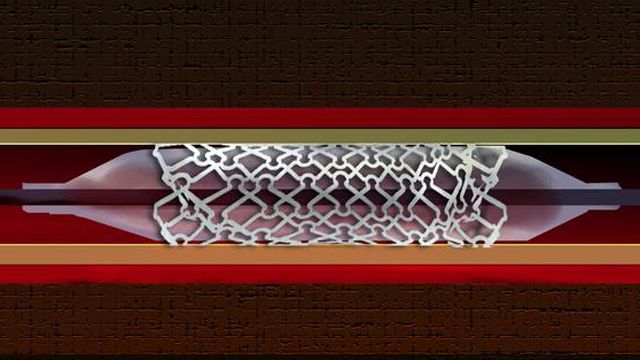
After a study came out that showed one out of every seven patients that get angioplasty to clear -- clogged artery in our heart.

Didn't even meet the criteria for needing the procedure.

-- -- is this it is this in certain parts of the country are we all have to worry about this.

Jamie did the worst it's because the study also showed that one -- got an unnecessary stent.

And I think it comes back to a message that we've talked about a lot on the show you need the proper guy.

-- girl that's actually treating you need a proper cardiologists to make a decision and not have the knee jerk reaction.

Where if somebody comes in with a symptom in -- they go bam right to an injured -- proper board certified and not.

Well it's not not it's not one to you know certified vs another it's knowing who's really good who's not overreact and who's not so aggressive.

And this isn't the first study that shown this by the way there's a huge study called the courage trial that came out in 2007.

That showed.

This dramatically here's the deal if you really sick and you're going the emergency room.

And having a heart attack or you're on the risk of heart attack then you need this then you have to have any and you -- then you might need to -- that you might even need surgery.

Putting real well and -- stable I believe I should a lot of patience for -- that medication should be tried first beta blockers.

Other medications to take the pressure off the heart and how do you feel then have a stress test.

Maybe have a calcium scoring testing cat -- And cats get injured in this only test you can do before you put that needle and go up thread to the heart the car and -- -- are very very narrow we want them to be open.

We want to be very concerned about them but once you do an invasive procedure you're there you say well it's blocked.

Might as well put the extent that and the so Alan you're out on amnesty -- I can't weigh in you don't give me instead I wanna -- flat tax or what or whatever the -- hey you better believe it and then after the stent that used to drug or drug ought to -- that you end up on Plavix for years after that -- that -- side effects.

So everything in -- should be done very carefully without overreacting by the way David and I talked about this so this is about a discussion here and I already had on this.

-- I think this is a very interesting study because nobody has really looked at all of these hospitals to see whether -- procedures are appropriate or not.

What this doctor has -- from university of Albany is that he has come -- cabbage which is a real surgery for bypass cardiac bypass.

I also cardiac -- 8000 cabbage and goes they found that 90% of the procedures where appropriate would when he came -- cardiac -- About only 36 for some of them are appropriate a lot of them there have to kind of like -- the indications that sets turned 14%.

We're not indicated so this is raising a big red flag and the new department of -- -- present to looking into this so I think what the messages that if you have.

-- angina or chest and address.

-- -- -- unstable heart disease if you have a long history of heart attack then you should you don't have the chance you have to go along with what the doctor recommends.

But there are some asymptomatic heart disease that you have the chance that you want to get a second and third opinion.

I'm fine of the medical therapy as a way to go rather than just getting this coming -- gladly just you used the term cabbage -- -- to -- -- that is.

Well it's a bypass is a cardiac bypass and it's basically they've opened it -- and the use some vessels from -- nor -- -- his own legs.

To -- has had disastrous -- that's every time.

Let me just ask you this before we go there's people sitting at home right now that have -- in their body in their heart and they're thinking oh my goodness what if I didn't need them can you check to make sure that you still need -- -- -- come out.

Nick that you're not gonna remove this stance once it's there it's there hasn't Marc mentioned these are doing drug -- little -- there's that you need to going medications such as Plavix but look.

Over a million of these procedures are being done this is the most procedures that we are seeing.

In health care and because it's such a big spike in this -- over seven billion dollar industry.

It's amazing -- alarming fact you just have to ask -- doctor.

Do I really need this kind of -- we don't want to scare people that I've had already we don't want us yeah right question I'm glad I'm glad a lot of topics you get to -- --