You're watching...

Cracks in our mental health system?

Details

  • Description

    Peter Johnson, Jr. weighs in

  • Duration 3:01
  • Date

Clips

Also in this playlist...

Editor's Picks

Auto-advance: ON

Auto-advance

Transcript

This transcript is automatically generated

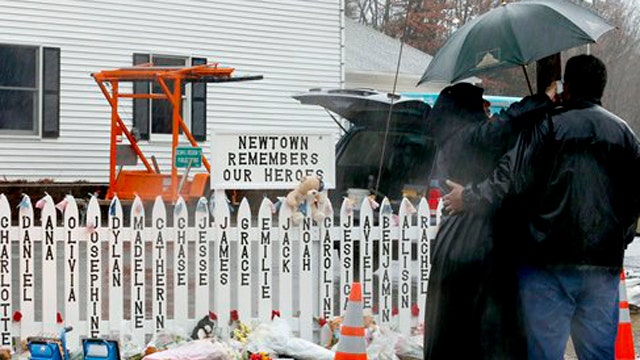
The tragic massacre at sandy -- elementary school in Newtown Connecticut -- the debate on treatment for the mentally ill should states have the option to forcibly commit.

Those people deemed unsafe to themselves or others Fox News legal analyst Peter Johnson junior is here to shed some light work on the cracks in our mental health system Peter -- -- it's great to see and they should be at 44 states have that.

Connecticut voted that down -- six states in the United States that do not have that Connecticut cannot come involuntarily commit -- insisted.

Outpatient treatment meaning you not put putting someone into a facility.

-- you saying you must go for treatment as a matter of a court order you must get medication.

Why does this state believe that you need medication yes why wouldn't every state have that when you see.

A kid who is clearly -- right -- Why wouldn't force actually shares sometimes on -- -- civil rights objections but there are some states that don't have -- Connecticut.

-- at Massachusetts.

Tennessee.

And New Mexico and -- Nevada.

The -- states don't have it.

The trend will move back quickly I I predict within six months you'll see those states moving back to the majority states in the country.

But you know there was an issue and Geraldo Rivera knows it well about mental health in this country about whether the mental health system was abusive or not.

It went into disarray disrepair.

And dysfunction and a lot of mental hospitals were close including the state of Connecticut there's also a.

A study -- -- Connecticut -- is that only 25%.

Of the children who are diagnosed of -- milk until illness.

Will receive treatment that's an astounding astounding and it's tragic and that's -- problems as illegal -- -- -- analyst.

Do you -- -- we should be able to in voluntarily.

Commit.

People to be sure sure and we don't do it and we had the capacity to do it in an -- across the nation.

Stigma attached to a parent still want to do it they feel guilty they feel that they've let their child down they feel that there's -- a stigma attached to it and it's not done.

It can be done for the sake of the mother in this case and the 26 innocence that were also killed in this particular case.

That's part of parent education that's part of educating each other about mental illness that is just like -- physical illness and it needs to be treated.

This other components as well.

How -- firearms companies manufacturing.

Guns.

Where's the federal funding on mental health -- or it hasn't been there all of these pieces we do know that only 4%.

Of gun violence gun murders and America occur -- mentally ill people but we do know.

That the massacres that have occurred have occurred because of presumably and proven to be mentally ill people.

Combined with the -- -- and that is an important factor that we are all talking about passing I think is will hopefully -- -- -- mental health big big part of this going forward.

Good to see Alex -- -- analysis.

Well.