You're watching...

Another gigantic legislative hurdle awaits lawmakers

Details

  • Description

    Molly Henneberg reports from the White House

  • Duration 2:25
  • Date

Clips

Also in this playlist...

Editor's Picks

Auto-advance: ON

Auto-advance

Transcript

This transcript is automatically generated

I thank you very much.

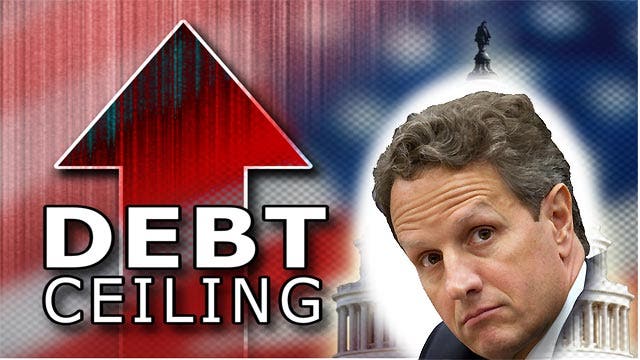
If the fiscal cliff can be avoided there's still another gigantic legislative hurdle awaiting lawmakers correspondent Molly Henneberg looks at the debt ceiling.

The US is going to hit its credit limit public debt ceiling of sixteen point four trillion dollars on December 31 and at some point -- after the nation will not be able to pay its bills.

Unless congress raises that limit.

Some Republican strategists say it's got to be done but with the -- to the future.

What we need to do is with the new congress in January is revisited and finally.

Give ourselves the determination.

To solve would not only are short term -- but our long term debt and that means that we need to solve entitlements.

And Medicare and Medicaid and Social Security.

Lawmakers have raised the debt limit eleven times in a decade most recently in August 2011 after a bruising political fight.

Democrats accuse Republicans of using the debt limit as political quote leverage to press for spending cuts.

-- -- the house democratic which tried to make today -- with a jarring comparison.

It is somewhat like taking.

Your child hostage and saying to somebody else -- -- shoot my child if you don't do what I want done you don't want to shoot your child.

There's no Republican leader that wants to default on our debt.

Treasury Secretary Timothy Geithner said in a letter to congressional leaders on Wednesday that there is some breathing room he said the Treasury Department will take quote.

Extraordinary measures authorized by law that he says -- quote create approximately 200 billion dollars in headroom under the debt limit.

Under normal circumstances that amount of headroom would last approximately two months.

But the fiscal cliff makes it more difficult to predict how long that money will last according to Geithner.

Where does that 200 billion dollars come from here's how one economist -- Planes essentially the secretary treasury will raid federal employees retirement funds temporarily they can take about a hundred -- eighty billion dollars out of there that -- some time.

The treasury also as a slush fund left over from when we had fixed exchange rates is called -- exchange stabilization fund.

What twenty million dollars -- can -- this.

-- -- says the bigger problem is getting America's borrowing under control not only does -- but the nation at risk immediately for credit downgrade.

But it also means higher taxes and a lower standard of living for future generations.

Does.

-- -- -- -- -- -- --