You're watching...

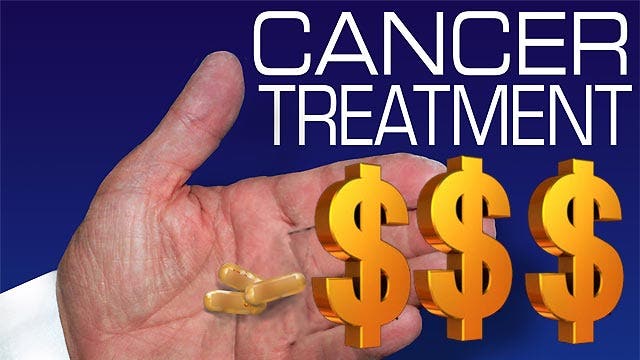
Some cancer docs believe income is tied to treatments

Details

  • Description

    Survey raises concerns about conflict of interest, potential for overtreatment

  • Duration 4:06
  • Date

Clips

Also in this playlist...

Studio B

Auto-advance: ON

Auto-advance

Transcript

This transcript is automatically generated

Thank you.

Well cancer doctors could have a financial incentive to over treat their patients that from a new survey of hundreds of oncologists.

It reports nearly a quarter of doctors say they believe they get paid more when they give patients more chemotherapy or other drugs.

And it's especially the case among doctors who do not receive a flat salary.

Analysts warned this could create a conflict of interest.

That those specialist may feel encouraged to offer expensive drugs in their own offices for the extra cash but.

It's important -- the study did not reveal any actual cases of doctors miss treating cancer patients.

The survey appears in the journal of clinical oncology.

Joining us now doctor Mitchell -- he's a former family practitioner.

And host of the radio program hell of a nation doctor -- -- -- -- join us does this mean that patients might be getting unnecessary.

Chemotherapy treat.

Months.

No the report as you said.

Stated specifically that they couldn't draw any conclusions.

And I think that's important to realize.

But that said I think the report raises some important issues with respect to what patients need to ask doctors.

Particularly in the situation of cancer treatment.

It's interesting because some of this article is talking about a possible conflict of interest but.

I would think if you go to your doctor you know that your doctor's gonna get pages by you visiting so.

So if you feel comfortable with -- -- colleges would you not want them to give you the chemotherapy treatment themselves.

You certainly would and in point of fact the chemotherapy treatment in the office is much less expensive than the chemotherapy treatment.

In the hospital and most patients prefer the office setting.

But that's set I think that it it really asks patients to be prepared.

To inquire as to whether -- treatment that -- getting is the best treatment and there's nothing wrong with that to sit down with your -- To whom you've been referred by your doctor.

And say listen you know I I've done some reading I know that there are certain treatments that are available.

But is this treatment that you're giving me is this the best treatment available at the cost what are the side effects what are the alternatives.

Are you part of a clinical trial is this treatment the gold standard is this how.

Everything is treated in the country according to a standard.

And these are responsible and reasonable questions -- all patients should ask -- no doctor should have any problem with that at all.

And I think you're right that you know some cases reality rehab especially older patients Doctor Who believe that their doctor is you know.

It is the comptroller of their destiny.

For lack of a better phrase they just don't ask those questions they believe whatever the doctor says is right it's kinda hard to change that trend especially in the older people.

That that is true but when the older people are accompanied by their children which is often the case.

The other thing that they should look for it is the nursing practitioners.

In the oncology practice because it's very important to remember that the doctor -- night.

Treat you but the nurses take care view and their very critical part of the treatment so he should interviews and nurses you should go and interview the doctor the first time.

And you should make an informed decision -- asked the right questions that I referred to before and I think that's appropriate.

And I think it's important for people know that cancer by -- treatable.

And doctor I've I've got to go but but I just kind of Reading at 65%.

Among colleges get their money.

Bring in their office money from treating patients does that concern you at all.

Now I think that's appropriate because.

The the cost of the medication and the cost of administering the treatment and watching over for the side effects.

Is significant.

And this is what they do this is where the cost is what -- you have to compare to the hospital cost.

I'm doing this thing I think in the hospital Trace.

It it's a very good point doctor Mitchell Brooks we have to go doctor thank you so much thank.

You Trace happy new year --