You're watching...

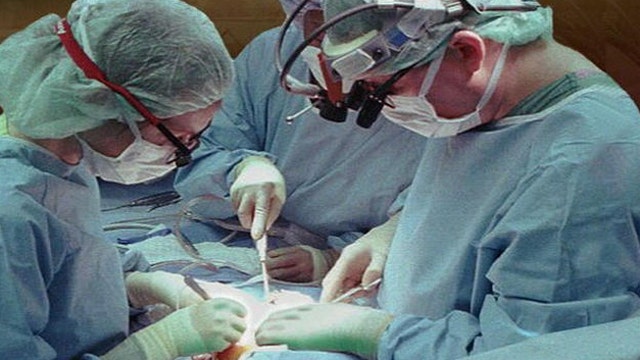
Rabies from an organ transplant?

Details

  • Description

    Dr. Marc Siegel weighs in

  • Duration 2:57
  • Date

Clips

Also in this playlist...

Editor's Picks

Auto-advance: ON

Auto-advance

Transcript

This transcript is automatically generated

So unbelievable it's hard to believe it is true but -- a -- got rabies not from an animal.

But from an organ transplant how the heck did that happen.

We're asking Fox News medical late teens doctor Marc Siegel -- -- -- -- fantasy goes in the back -- risk that this man god LA.

Kidney transplant sixteen months ago and then ended up dying as a result from rabies how does that happen.

It's happened one time before in 2004 and the way it can happen is.

That we mistake.

What looks like a stroke in somebody.

It's actually an infection of the brain and people don't realize rabies is not people going around biting each other rabies is a terrible brain infection that make you confused disoriented.

And somebody might have thought that it wasn't.

Rabies that it was something else and we probably will we probably because it's incredibly rare one -- three people in the United States die every year rabies incredibly rare.

I think we need to screen donors more that's probably the message here but how do you screen them another would you -- a screen the behavior early what do they got.

What's their diagnosis going and we -- for hepatitis we screen them for HIV.

There is really really really unlikely that you gonna get a problem when that less than 1% of organ donations.

Lead to any kind of infection so why not zero but it's not -- -- it's not -- of as this story illustrates.

What other diseases are spread rare those cases may be by organ transplant -- the most common thing would be a bacteria that somehow bacteria would get in there.

You can see viruses you can see hepatitis rarely you could see HIV.

Again though we know you're talking about a situation took -- where somebody needs an emergency -- you.

And so when you you really can't stop to screen the -- -- you might buy rarely give us some context what does that mean well in other words you how often -- in -- car -- -- get an organ harvesting you want wanna bring in my heart or kidney -- liver.

You don't stop and say I better screen that -- before -- -- give it to them you only have.

Up to twelve hours maximum and a lot of these things won't show up that early are rabies you wouldn't have been able to scream I scream in the -- this way.

But you know they've they've got to do a vigilant test of hepatitis.

And HIV that's what we do and that's what we do the blood supply -- by the way there's a one and a million chance and millions would but donating blood.

The one in a million chance of getting HIV or hepatitis from blood.

Rabies be incredibly rare that -- But with blood transfusion is also a risk of bacterial.

-- scary seven and because it's so out of your control in are you going to the hospital and you're praying for good outcome.

With a blood transfusion or the organ donation the topic you're saying that there's nothing that we really can do about it because time is of the essence well.

Right and I want -- impact of statistics here I don't want the viewers to be afraid of this this is a dramatic story.

But the huge majority of the time you're gonna get an organ that you need or you're gonna get a blood transfusion or some kind of tissue from a cadaver you gonna get it incredibly safely.

A lot of great screening goes on.

This is just a message to hype up the screening even more it does not mean that this is happening very frequently -- you know doctor Marc Siegel thanks so much to register.